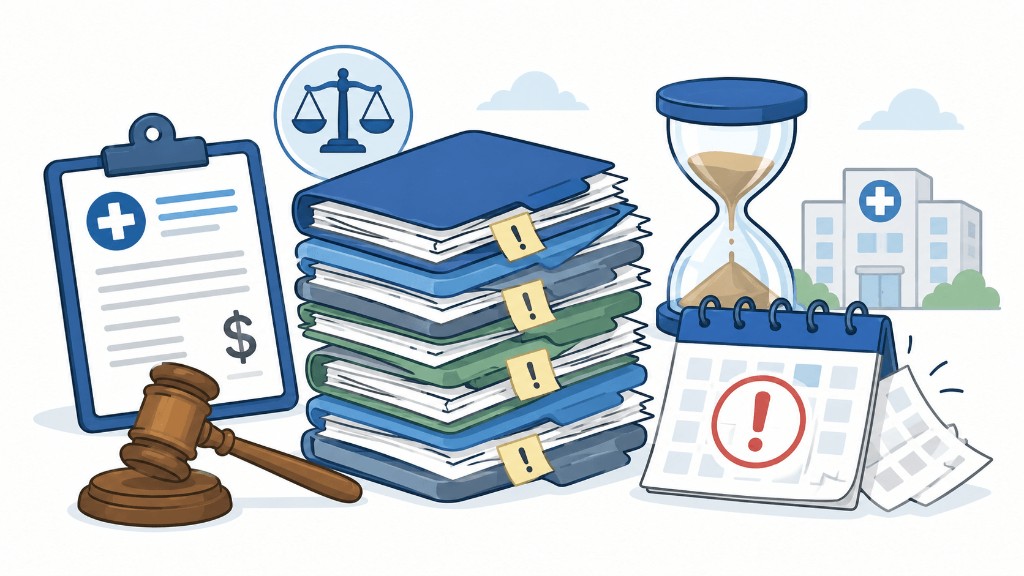
Federal independent dispute resolution (IDR) entities told congressional staff that open surprise-billing cases have crossed 600,000, with median resolution times stretching beyond the 30-business-day target in several regions.
Advocates report patients stuck between provider collection threats and plan demands for additional documentation while IDR notices sit in queue.
Practical impact
- Collection activity may continue unless state law or plan policy pauses billing during IDR.
- Patients should keep copies of the initial payment notice, EOB, and IDR initiation confirmation.
- Some entities are batching low-dollar disputes, which can delay small ambulance balances longest.
CMS says it is hiring additional arbitrators and publishing weekly queue statistics starting later this month. No Surprises Act payment protections still apply; the backlog affects timing, not underlying patient cost-sharing caps for qualifying services.
Documentation while cases wait
Save the initial payment notice, EOB, IDR initiation confirmation, and any collection letters. State surprise-billing laws may offer additional pause rights while federal IDR queues clear.
If a collector calls, ask for the account number tied to the IDR case and send a written dispute citing the open federal arbitration.
Guides on patientadvocates.io
For step-by-step help, start with our Surprise billing guide or browse related topics including Medical bill vs EOB, Appeals roadmap.
Common questions
Does the IDR backlog change No Surprises Act protections?
Qualifying federal protections on patient cost sharing still apply. The backlog mainly delays when plans and providers resolve the underlying payment dispute—not whether patients owe surprise balance bills for covered services.